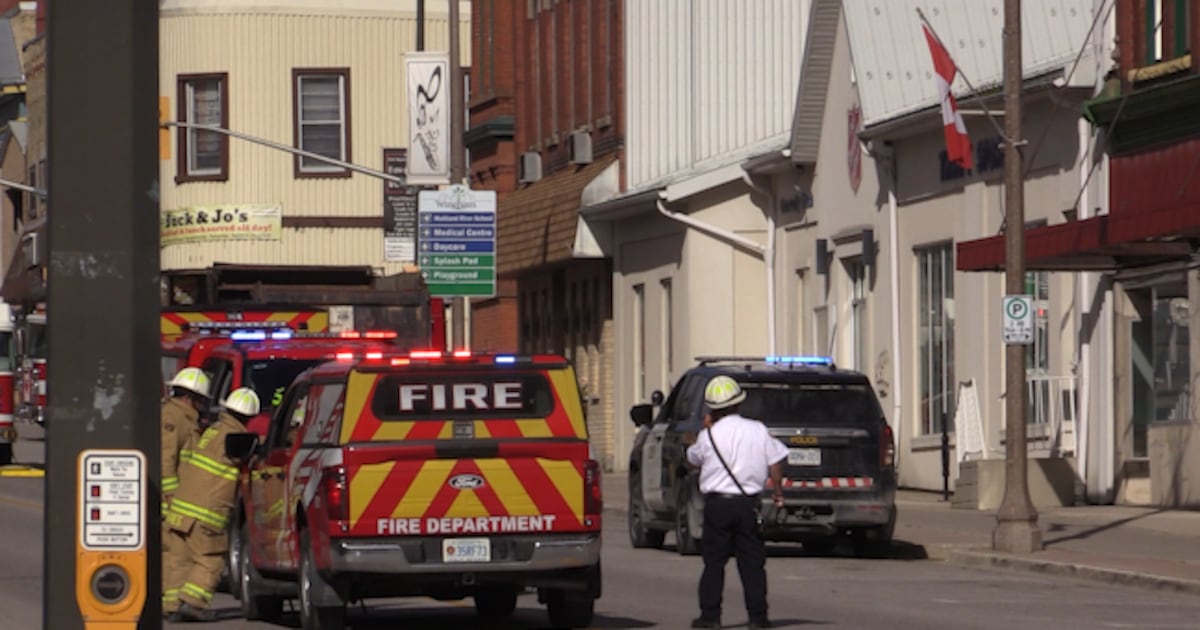
When Thrift Store Bargains Come With an Unexploded Surprise
There is a peculiar kind of optimism that drives people to rummage through thrift store bins on a rainy Tuesday afternoon, hunting for vintage leather jackets or forgotten mid-century glassware. Little do most shoppers expect that their harmless quest for secondhand nostalgia might accidentally unearth a piece of active military ordnance. Personally, I think we severely underestimate the bizarre, unintended time capsules that ordinary households pass down through generations until they end up dumped in a donation bin. What makes this particularly fascinating—and slightly terrifying—is how easily a routine afternoon in a quiet small town can morph into an emergency zone because of a forgotten relic of war.
The Anatomy of a Local Panic
When a downtown core gets completely cordoned off because someone spotted a grenade sitting quietly on a thrift store shelf, it serves as a stark reminder of the fragile boundary between ordinary civic life and historical hazard. From my perspective, stories like this highlight a broader cultural disconnect regarding how we handle old military memorabilia. People inherit footlockers from grandparents who fought overseas, stash them in attics for decades, and eventually clear out the estate by sending boxes to local charities without ever checking what is actually inside. One thing that immediately stands out to me is the sheer complacency of the donation pipeline. Volunteers sort through clothing, books, and knick-knacks daily, trusting that the community won't accidentally hand them live explosives disguised as vintage curiosities.
- The Estate Clearance Blindspot: Families often purge inherited homes under emotional stress, treating dangerous items as mere clutter.
- The Volunteer Burden: Local thrift shops rely on well-meaning volunteers who are rarely trained to spot military ordnance.
- The Ripple Effect: A single forgotten item can paralyze an entire commercial district, impacting local businesses and emergency services.
The Psychology of Domestic Arsenals
If you take a step back and think about it, finding a grenade next to a stack of paperback novels reveals a lot about our strange obsession with war relics as home decor. What many people don't realize is that thousands of households across North America harbor deactivated or active military souvenirs from past global conflicts without knowing the difference. A detail that I find especially interesting is how casual we become about items designed specifically to take human life once they are coated in a few decades of dust and rust. We rationalize them as harmless paperweights or historical conversation pieces, blinding ourselves to the latent danger sitting right on the living room bookshelf.
What This Really Tells Us About Our Past
This whole episode raises a deeper question about how societies process the physical remnants of violence long after the battles have ended. What this really suggests is that we are surrounded by physical history that we are entirely unequipped to manage safely. A grenade in a secondhand shop isn't just a quirky local news headline; it is a symptom of generational turnover where the stories behind these objects fade away, leaving behind only the cold, volatile hardware. If we continue to treat military artifacts like vintage sweaters, incidents like this will remain an inevitable, albeit alarming, part of our modern landscape.