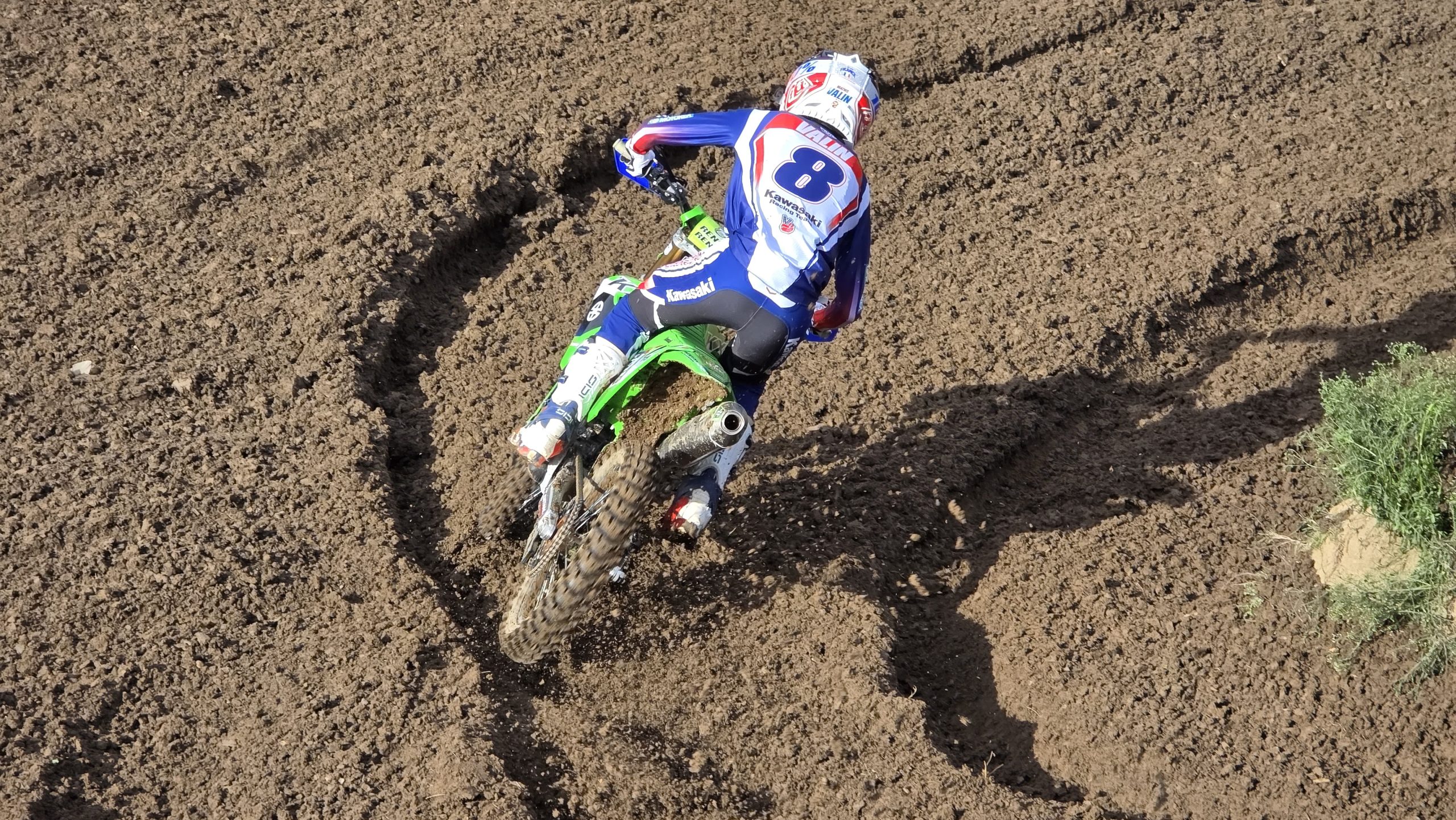
The Electric Chaos of Motocross: Lessons From a Wild MX2 Qualifier
There is something uniquely intoxicating about watching a motocross qualifying race when the atmosphere is supercharged by a partisan home crowd. If you have ever stood trackside at a Motocross of Nations, you know the sound doesn't just register in your ears—it vibrates through the soles of your boots. Personally, I think this specific brand of motorsport chaos gives us a fascinating lens through which to view pressure, momentum, and the sheer psychological weight of expectation.
From my perspective, what went down in the MX2 qualifying race at Ernée wasn't just a standard shuffling of positions on a dirt track. It was a masterclass in how external energy can completely distort a rider's internal calculus, turning calculated aggression into high-stakes theatre.
The Home-Field Phenomenon and the Burden of the Lead
One thing that immediately stands out from the action is how Mattis Valin seized the moment. Landing a stellar start and inheriting the front spot after Lucas Coenen hit the deck is the kind of sequence dreams are made of—especially when thousands of compatriots are roaring your name every single time you clip apexes.
What many people don't realize is how dangerous that kind of validation can be for a young rider's cognitive bandwidth. When you are leading in front of a home crowd, the decibel levels chasing you down the straightaways can either act as jet fuel or a heavy anchor. In Valin's case, he managed to ride the wave, but it raises a deeper question about human psychology under siege: how do elite athletes block out the intoxicating noise of a stadium just long enough to hit their braking markers consistently?
The Art of the Comeback: Chaos as an Equalizer
If you take a step back and think about it, the real story of this qualifier wasn't just at the sharp end of the field—it was the frantic recovery missions unfolding behind the leaders. Watching Camden McLellan secure second while Levi Kitchen and Dani Valdepeña Farres carved their way through traffic from deep outside the top five reminds us why motocross remains wonderfully untamed.
- Relentless forward momentum: Kitchen and Farres didn't just pass riders; they dismantled deficits through sheer grit.
- The invisible toll: Charging from the back requires a level of physical expenditure that inevitably writes checks your body has to cash later.
What this really suggests is that raw speed is only half the battle on a technical circuit. A detail that I find especially interesting is how riders manage the chaos of mid-pack traffic without losing their cool. While some fold under the pressure of a congested first lap, others use the disorder as a springboard to find unexpected lines.
The Thin Line Between Brilliance and Desperation
Then, of course, you have the heartbreak of Sacha Coenen's race. Crashing out of the lead early on is tough enough, but binning it again on the very last lap while hunting down Janis Reisulis for position? That hurts on a spiritual level.
In my opinion, this encapsulates the eternal curse of the aggressive rider. What makes Coenen so thrilling to watch is also his ultimate undoing—he simply does not possess an off-switch. People often look at a seventh-place finish after late-race mistakes and write it off as poor racecraft, but I see something different. This represents the absolute bleeding edge of risk management. When you refuse to settle, you are walking a tightrope between legendary status and self-inflicted disaster.
Looking Ahead: What Ernée Tells Us About the Future
If this qualifier is any indication of how the weekend's main battles are going to shape up, we are in for an absolute war of attrition. What fascinates me most is how these young talents process these moments of high volatility.
Ultimately, motocross isn't just a test of mechanical horsepower and physical conditioning; it is a brutal psychological crucible. The riders who learn to harness the deafening roars of a home crowd without letting the adrenaline compromise their precision are the ones who will ultimately rewrite the sport's history books.